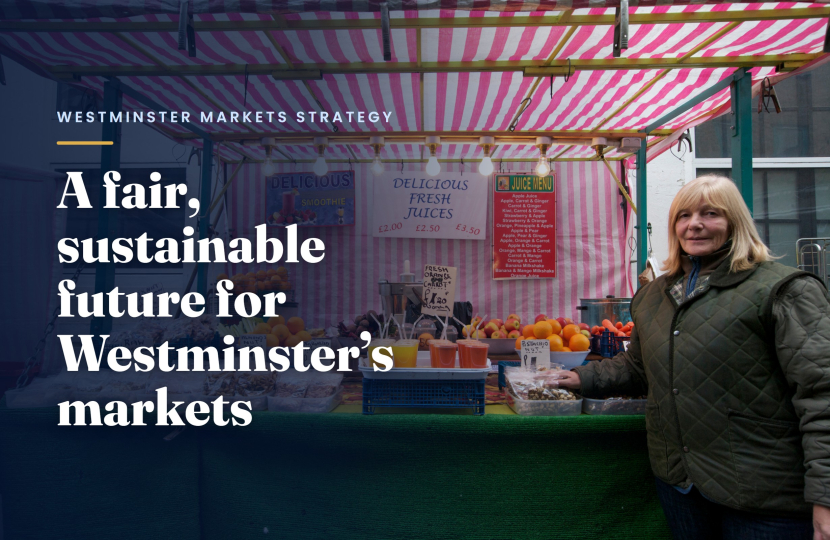
Westminster City Council is in the process of drafting a new Markets Strategy designed to secure the long-term future of our city’s street markets. The strategy aims to address a longstanding budget deficit, support a broader range of traders, create a fairer system for all businesses, and raise standards across Westminster’s markets.
The proposals follow an extensive consultation with traders, residents, businesses, and community groups. Respondents consistently highlighted the need for cleaner, safer markets, more fresh produce, stronger local identities, and better management. Councillor San Abishev, Deputy Cabinet Member for Growth and Planning, commented, “Westminster’s markets are one of our city’s great strengths. They support jobs, entrepreneurship, and affordable shopping while contributing to the character of our neighbourhoods. This strategy is about ensuring they remain sustainable, diverse, fair, and well-managed for the future.”
A major focus of the strategy is financial sustainability. Westminster faces a projected budget gap of £160 million by 2029, partly due to changes in government funding and increased demand for services. The street trading service currently operates at a £2.4 million annual deficit, covered by council taxpayers. The proposed changes would reduce this deficit to £1.6 million, while still operating below full cost recovery. “For many years, taxpayers have subsidised a street trading service operating at a significant loss. These proposals would save around £800,000 a year while helping secure the future of our markets,” said Cllr Abishev.
Supporting a diverse mix of traders is central to the new strategy. The council wants to move away from a one-size-fits-all approach and tailor each market to its local community. Over 80% of consultation respondents supported tailored plans for individual markets, based on local needs. Furthermore, when selecting their top three priorities for change in the markets, “Stronger curation / category mix” was the second most popular option, chosen by 44.8%. As Cllr Abishev noted, “Residents told us they want more fresh produce, more independent traders, and a broader range of goods. Our goal is to ensure Westminster’s markets remain valuable community assets that support everyday shopping and local enterprise.”
A fairer trading environment is also a priority. The proposed fee structure would better reflect the value of trading opportunities, particularly in high-demand areas, and address the imbalance between street traders and nearby brick-and-mortar businesses. While some street traders pay as little as £22 per day for a pitch, local retailers face heavy, year-round fixed overheads, like rent and business rates in excess of £50k, creating an uneven commercial playing field for businesses competing for the same footfall. The new approach aims to create a more balanced framework while supporting a thriving street trading sector. “A fair system must recognise that all businesses contribute to Westminster’s success, and deserve for their interests to be equally represented,” said Cllr Abishev.
The strategy further emphasises the importance of cleanliness, safety, and effective management. Cleanliness and safety were top priorities for over 95% of consultation respondents; over 80% supported the council’s direction on safety and environmental standards. Proposed measures include improved waste management, clearer rules, and stronger enforcement to promote fairness and good-neighbour conduct. Cllr Abishev stated, “Residents rightly expect markets that are clean, safe, and well-managed. Our new policy would strengthen enforcement, improve the public realm, and help ensure Westminster’s markets remain welcoming places to live near, shop in, and trade from.”
By bringing together fiscal responsibility, diversity, fairness, and high standards, the council’s proposals seek to put Westminster’s markets on a stronger footing for the future. Cllr Abishev concluded, “Good markets require bold stewardship and a clear vision. The new policy would make Westminster’s markets more sustainable, support a broader range of traders, and deliver what residents want from their local markets. Most importantly, it shows our commitment to a City That Works for All.”